Choose the Ngorongoro Crater if you have only one or two days and want lots of wildlife in a small area. Choose the Serengeti for big cats, wide open plains and the Great Migration. The best answer is often both: a 2-day Serengeti and Ngorongoro safari from Zanzibar starts from US$1,628 per adult.
Last updated: 2 November 2026. Prices checked against the live trip pages on lekobeadventures.com.
Serengeti vs Ngorongoro is one of the first questions travellers ask when they plan a Tanzania safari, often from a beach hotel on Zanzibar with only a few days to spare. Both names appear on almost every northern circuit itinerary, yet they are very different places. This guide compares them side by side, using official park figures and the real prices and itineraries of our trips, so you can decide which one fits your time and budget, or whether you should do both.
Serengeti vs Ngorongoro at a glance
The Serengeti National Park is a huge savannah park run by Tanzania National Parks (TANAPA). The Ngorongoro Crater is a collapsed volcano inside the Ngorongoro Conservation Area, run by a separate body, the Ngorongoro Conservation Area Authority (NCAA). The table below uses figures from the official TANAPA Serengeti page and the NCAA Ngorongoro Crater page.
| Serengeti National Park | Ngorongoro Crater | |
|---|---|---|
| Managed by | TANAPA | NCAA |
| Size | More than 15,000 square kilometres | About 260 square kilometres, around 20 km across and 610 m deep |
| Signature sight | The Great Migration of over 1.5 million wildebeest, zebras and their predators | Over 25,000 animals, including the Big Five, on one crater floor |
| Best time (official) | June to October for the migration; January to February for calving | Lekobe crater trips run all year and can start any day |
| Adult entry fee (non-East African) | US$70 per international adult | US$70.80 entry permit (age 16+), plus a US$295 crater service fee per vehicle, per trip |
| Time you need | At least one night inside the park | A morning or a full day on the crater floor |
In short, the Serengeti is about scale and the crater is about density. Neither is better in every way, which is why most safaris include both.
Why choose the Serengeti?
The Serengeti is the place most people imagine when they think of an African safari: open grassland that seems to go on forever, dotted with acacia trees and full of grazing herds. TANAPA describes it as home to the world’s last remaining large mammal migration, and the park has been a UNESCO World Heritage Site since 1981.
Big cats and the Great Migration
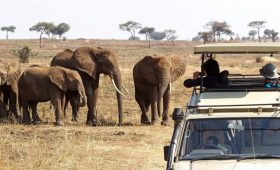
TANAPA lists more than 3,000 lions in the park, alongside leopards, elephants, buffaloes and rhinos. If seeing the migration is your main goal, the Serengeti is the clear choice. Herds move through different parts of the park during the year, so read our Great Migration month by month guide before you pick dates.
Space and a sense of wilderness
Because the park is so large, game drives cover long distances and you can spend hours away from other vehicles. Morning drives, when predators are most active, are a highlight of every Serengeti itinerary we run.
The trade-off
The Serengeti needs time. From Zanzibar, our itineraries fly you directly to the Serengeti on an 8:00 am flight, so you start game driving the same morning, but you still need at least one night there. A rushed visit means more time in the vehicle and less time watching animals.
Why choose the Ngorongoro Crater?
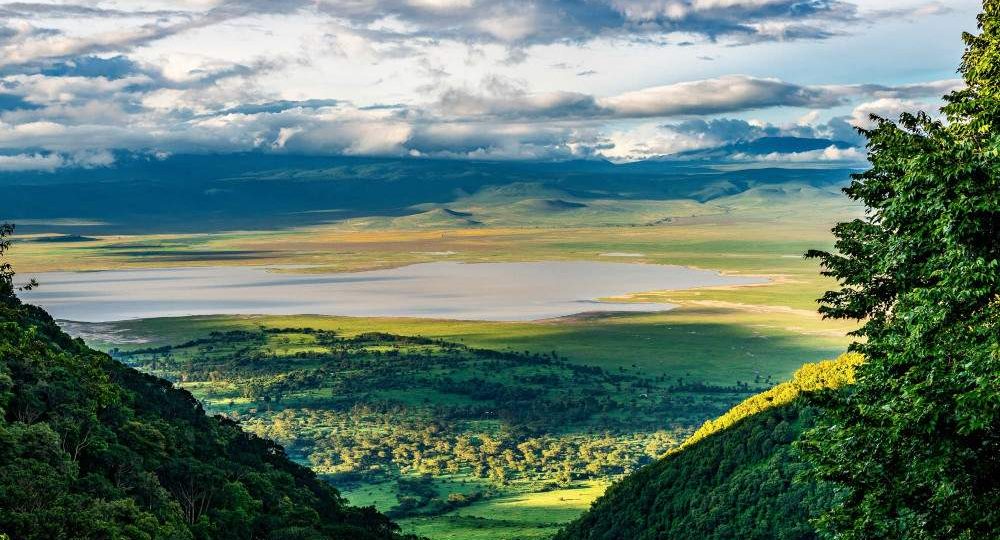
The crater is a natural bowl surrounded by steep, forested walls. According to the NCAA it covers almost 260 square kilometres and is home to more than 25,000 animals, including elephants, buffaloes, rhinos, lions and leopards, as well as hippos, hyenas, zebras, gazelles and wildebeest.
The best chance of seeing a black rhino
Rhinos are hard to find anywhere in Tanzania, and the crater floor is one of the best places to look for them. Our 4-day itinerary starts its descent at 6:30 am for exactly this reason. Even so, rhinos can be challenging to spot, and no operator can promise a sighting.
Lots of wildlife in a short time
Because the animals live in a contained area, you can see a great variety in a single morning. On our itineraries, a crater day means a game drive across the crater floor, often with a picnic lunch at a designated area inside the crater, before you climb out and head for your flight back to Zanzibar.
Rules that shape your day
The NCAA’s visitor guidelines say driving is allowed between 06:00 and 18:00 and that crater descent gates close at 16:00. All permits, including the crater service fee, are single entry. These rules are why a crater day starts early.
Serengeti vs Ngorongoro: cost compared
Park fees are one of the biggest parts of a safari price. The official NCAA tariffs set the conservation area entry permit at US$70.80 for non-East African adults (16 and over) and the crater service fee at US$295 per vehicle, per trip. The TANAPA page lists Serengeti entry at US$70 for international adults. The crater fee is charged per vehicle, so it works out cheaper per person when you share a vehicle with family or friends.
On a Lekobe safari you do not pay these fees yourself, unless the government raises them after you book. Every trip below includes park fees for non-residents, the flights within the tour, a professional driver-guide, accommodation, meals as listed in the day-by-day plan and round-trip airport transfers. For a full breakdown of safari budgets, see how much a safari from Zanzibar costs.
| Lekobe trip | Days | Parks | From price (per adult) |
|---|---|---|---|
| 2-Day Safari to Tarangire & Ngorongoro from Zanzibar | 2 | Tarangire, Ngorongoro Crater | US$1,186 |
| 3-Day Fly-in Private Safari to Tarangire & Ngorongoro | 3 | Tarangire, Ngorongoro Crater | US$1,452 |
| 2-Day Safari from Zanzibar to Serengeti & Ngorongoro | 2 | Serengeti, Ngorongoro Crater | US$1,628 |
| 3-Day Fly & Drive Safari to Ngorongoro & Serengeti | 3 | Serengeti, Ngorongoro Crater | US$1,870 |
| 4-Day Tarangire, Serengeti & Ngorongoro from Zanzibar | 4 | Tarangire, Serengeti, Ngorongoro Crater | US$2,025 |
| 3-Day Serengeti & Ngorongoro Fly-in from Zanzibar | 3 | Serengeti, Ngorongoro Crater | US$2,068 |
| 3-Day Mid-Range Fly-in Safari to Serengeti & Ngorongoro | 3 | Serengeti, Ngorongoro Crater | US$2,090 |
The pattern is clear: a crater-only trip from Zanzibar (combined with Tarangire) is the lower-cost option, while adding the Serengeti starts from US$1,628. These are starting prices. Your final quote depends on group size, travel dates and the accommodation you choose. Tips are not included; our guideline is US$10 per person per day.
Do you need both? How many days to plan
1 to 2 days: pick your priority
If you want the most wildlife for the lowest price, the 2-day Tarangire and Ngorongoro safari pairs the crater with Tarangire National Park. If the Serengeti is non-negotiable, the 2-day Serengeti and Ngorongoro trip flies you straight into the Serengeti, then drives you to the crater on day two for a game drive before your flight back to Zanzibar later that day. It is fast-paced, with two early starts.
3 days: the balanced choice
Three days is the length we recommend for most first-time visitors who want both parks. On the 3-day Serengeti and Ngorongoro fly-in, you spend day one and the morning of day two in the Serengeti, spend the night in the Ngorongoro highlands, then descend into the crater on day three before flying back to Zanzibar in the evening. Our Zanzibar to Serengeti safari guide explains the flights and timings in more detail.
4 days: the classic northern circuit
With four days you can add Tarangire, spend two days in the Serengeti and finish in the crater. This slower pace means more time watching animals and less time rushing to airstrips.
Which is better for your trip?
- Short on time or on a tighter budget: Ngorongoro Crater, often combined with Tarangire.
- Great Migration or big cats: the Serengeti, ideally with two nights or more.
- Families with young children: shorter trips are easier on young travellers, and the crater suits a 2-day plan. Check each trip’s minimum age, which ranges from 1 to 5 years on the trips above.
- First safari and three days free: do both. The contrast between the open plains and the crater floor is part of what makes the trip memorable.
Not sure whether to share a vehicle or travel privately? Our guide to shared vs private safaris in Tanzania explains the difference, and the Ngorongoro Crater safari guide covers the crater in more depth.
Frequently asked questions
Is the Ngorongoro Crater part of the Serengeti?
No. The Serengeti National Park is managed by TANAPA, while the Ngorongoro Crater lies inside the Ngorongoro Conservation Area, managed by the NCAA. They have separate entry fees and rules. They are close enough, however, that our itineraries drive from the Serengeti to the crater rim in a single afternoon.
Is Ngorongoro or the Serengeti better for seeing the Big Five?
Both are home to all five: lion, leopard, elephant, buffalo and rhino. The crater gives you a better chance of seeing several of them in one morning because wildlife is concentrated in a smaller area. Rhinos and leopards are still hard to find, so no sighting can be guaranteed in either place.
Can I visit the Serengeti and Ngorongoro from Zanzibar in 2 days?
Yes. Our 2-Day Safari from Zanzibar to Serengeti and Ngorongoro starts from US$1,628 per adult. You are picked up at 5:00 am for an 8:00 am flight to the Serengeti, stay one night, visit the crater on day two and fly back to Zanzibar later that day. Three days is more relaxed.
Which is cheaper, the Serengeti or the Ngorongoro Crater?
For a trip from Zanzibar, a crater safari combined with Tarangire starts from US$1,186 per adult, compared with US$1,628 for a trip that includes the Serengeti. At the crater, the US$295 vehicle fee is cheaper per person when more people share a vehicle.
When is the best time to visit the Serengeti and Ngorongoro?
TANAPA recommends June to October, the dry season, for the migration and January to February for the calving season. The crater can be visited all year, and our safaris can start any day. If the migration is your goal, plan your dates around where the herds will be.
How long do you spend inside the Ngorongoro Crater?
On our itineraries you usually spend a morning and lunchtime on the crater floor, with a picnic lunch at a designated site. NCAA rules allow driving between 06:00 and 18:00, and crater descent gates close at 16:00, so crater days start early, often straight after breakfast.
Plan your Serengeti and Ngorongoro safari with Lekobe
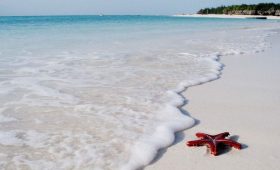
Whether you choose the Serengeti, the Ngorongoro Crater or both, we can build the trip around your dates, group size and budget, and get you back to the beach on Zanzibar at the end of it. Message us on WhatsApp (+255 676 68 1293), email info@lekobeadventures.com, or use the enquiry form on any trip page to get a free, no-obligation quote.