A Serengeti National Park safari needs at least 2 days, but 3 to 4 days lets you explore more than one area of the park. The Serengeti covers 14,763 square kilometres in northern Tanzania. Lekobe trips that include it start from US$1,188 per person from Arusha and US$1,628 from Zanzibar, with park fees included.
Last updated: 25 November 2026. Prices checked against the live trip pages on lekobeadventures.com.
This guide covers the practical questions travellers from the US, UK and Europe ask before booking: where the Serengeti is, which areas to visit, when to go, how long to stay, how to get there from Zanzibar or Arusha, and what it really costs. If you are still comparing parks, our Serengeti vs Ngorongoro comparison is a good place to start.
Serengeti National Park at a glance
According to the official Serengeti National Park visitor brochure from Tanzania National Parks (TANAPA), the Serengeti is Tanzania’s first national park, designated in 1951, and its third largest. The name comes from the Maasai word “Siringet”, meaning wide, endless plain. It is a UNESCO World Heritage Site and the core of the wider Serengeti-Mara ecosystem, which TANAPA puts at about 30,000 square kilometres and which extends into Kenya’s Maasai Mara.
- Size: 14,763 km².
- Altitude: between 1,100 and 2,000 metres, so mornings and evenings can feel cool.
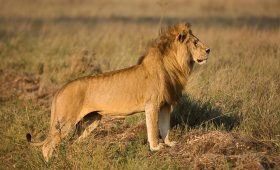
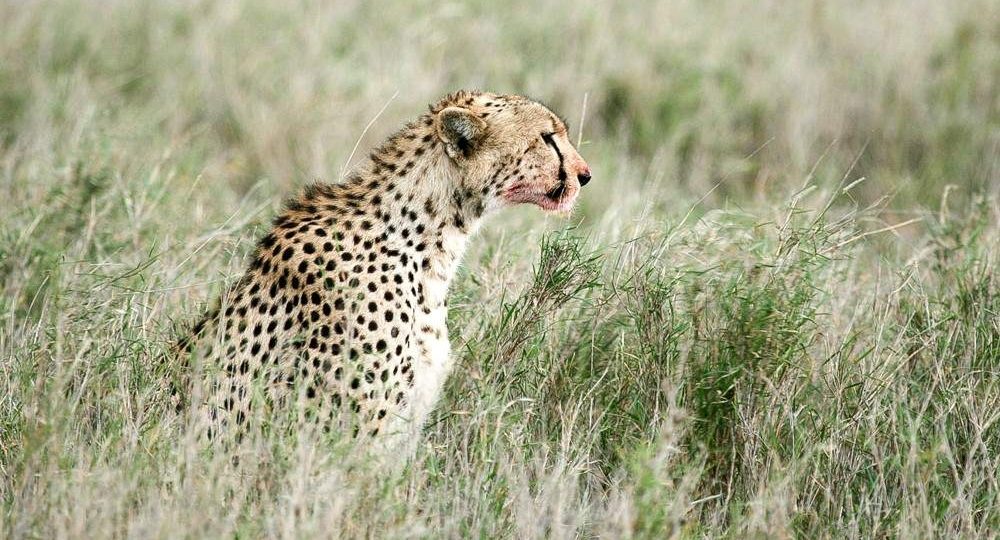
- Wildlife: the Great Migration of more than 1.5 million wildebeest with zebras and gazelles, lions, leopards, cheetahs, spotted hyenas, elephants, buffalo and, in small numbers, black rhino and African wild dog.
- Birds: more than 530 recorded species.
- Activities: game drives, hot-air balloon flights, walking safaris and bush meals.
For a quick overview with photos, see our Serengeti National Park destination page.
The main areas of the Serengeti
The park is too big to see in one visit, so it helps to think of it in regions. TANAPA lists all-weather airstrips in each of them, which is how fly-in safaris reach the different areas.
Central Serengeti (Seronera)
The Seronera area is the heart of the park, with a year-round river valley, rocky kopjes and some of the best big-cat viewing. Most short safaris spend their time here. Lekobe’s 2-day trip from Arusha stays at Tukaone Weavers Camp, a tented camp inside central Serengeti, and the camping safaris use the Seronera public campsite.
Southern Serengeti and the short-grass plains
The southern plains, served by the Kusini airstrip, are open grassland. Several Lekobe itineraries include a sunrise game drive in the southern Serengeti before continuing to Ngorongoro Crater.
Northern Serengeti (Kogatende and Lamai)
The remote north, near the Mara River and the Kenyan border, is quieter and is reached by flying into the Kogatende or Lamai airstrips. Lekobe’s 4-day migration fly-in lands at Kogatende at around 11:00 am and spends a full day in the north.
Western Corridor and Lobo
The Western Corridor is served by the Kirawira airstrip, and the Lobo area lies in the east. TANAPA notes that rare primates such as patas monkeys and black-and-white colobus can be seen in the west.
Best time to visit the Serengeti
TANAPA describes the Serengeti’s climate as subtropical, with a dry season from May to October and a rainy season from November to April. Average annual rainfall is 900 to 1,000 mm.
Dry season: May to October
Grass is shorter and animals gather near water, which makes wildlife easier to spot. It overlaps with the European and American summer holidays, so it is wise to book early.
Wet season: November to April
The landscape turns green, the plains fill with fresh grazing and there are usually fewer vehicles around. Pack a light rain jacket.
Because the migration moves through different parts of the park during the year, the “best” time really depends on what you want to see. Our Great Migration month-by-month guide explains where the herds usually are in each month.
How many days do you need in the Serengeti?
Distances inside the park are large, so the number of days decides how much you can see.
- 2 days: possible only with flights. You fly in, enjoy an afternoon game drive, stay one night and usually combine a morning in the Serengeti with Ngorongoro Crater on day two. Good if you have little time, but it is busy.
- 3 days: the most popular choice from Zanzibar. You get a full first afternoon, a sunrise drive and a separate crater day.
- 4 days or more: lets you add Tarangire, travel overland through the Ngorongoro Highlands or reach the northern Serengeti.
Driving from Arusha to the Serengeti takes around 6 hours each way according to our camping itinerary, which is why road safaris shorter than 3 days rarely make sense. For more options by length, see Zanzibar to Serengeti safari: 2-day and 3-day options.
Getting to the Serengeti from Zanzibar or Arusha
From Zanzibar: fly in
On Lekobe’s Zanzibar departures, you are collected from your hotel at 5:00 am for an 8:00 am flight. The guide meets you at the Serengeti airstrip with a pop-up roof 4×4, and your game drive starts straight away. The return is usually a flight back to Zanzibar from Kilimanjaro or Arusha after the Ngorongoro Crater drive.
Another option is to fly from Zanzibar to Arusha, then drive via Tarangire and the Ngorongoro Highlands into the Serengeti. This takes longer but includes three parks.
From Arusha: drive or fly
From Arusha you can take the road (around 6 hours to the Serengeti, with game viewing on the way through the highlands) or a 10:00 am flight into the park on the 2-day itinerary. Camping safaris always go by road.
Serengeti safari prices (2026)
These are the current “from” prices per person shown on our trip pages. All include park fees for non-residents, a professional driver-guide, accommodation and meals as listed in the itinerary, and flights where the trip is a fly-in. Final quotes depend on group size, travel dates and the accommodation you choose.
| Trip | Starts from | Style | From price (US$) |
|---|---|---|---|
| 2-Day Serengeti & Ngorongoro Crater | Arusha | Fly in, tented camp | 1,188 |
| 3-Day Private Camping Serengeti & Ngorongoro | Arusha | Drive, camping | 1,272 |
| 4-Day Camping Tarangire, Serengeti & Ngorongoro | Arusha | Drive, camping | 1,474 |
| 2-Day Safari from Zanzibar to Serengeti & Ngorongoro | Zanzibar | Fly in, lodge | 1,628 |
| 4-Day Tarangire, Serengeti & Ngorongoro | Zanzibar | Fly to Arusha, then drive | 2,025 |
| 3-Day Serengeti & Ngorongoro Fly-in | Zanzibar | Fly in, tented camps | 2,068 |
| 4-Day Fly-in Migration (North Serengeti) | Zanzibar | Fly in, tented camps | 2,420 |
What is not included
- International flights to and from Tanzania
- Extra hotel nights before or after the tour
- Tips (the guideline on our trip pages is US$10 per person per day)
- Personal items such as travel insurance, visa fees and souvenirs
- Any government increase in taxes or park fees
Park fees are set by TANAPA, and TANAPA says its tariffs are VAT-exclusive (VAT is 18%). Fees can change, which is why they are listed as a possible extra. For a wider breakdown of what drives the price, read how much a safari from Zanzibar costs. For tipping etiquette, see how much to tip a safari guide in Tanzania.
Where to stay: lodge, tented camp or camping
The Serengeti suits every budget, and the choice changes both the price and the experience.
- Tented camps: proper beds and private bathrooms under canvas, often inside the park so you are close to the wildlife at sunrise. Lekobe itineraries use camps such as Moyo Tented Camp, Safari Haven Serengeti Camp and Malaika camps in the north and centre.
- Budget camping: your guide pitches the tent at a public campsite inside the park, and a cook prepares meals. It is the most affordable way in and very atmospheric. Camping safaris have a minimum age of 18 on our site. See our Tanzania camping safari guide.
- Lodges outside the park: some itineraries stay near Ngorongoro (Karatu) after leaving the Serengeti, which keeps costs down.
Serengeti park rules every visitor should know
TANAPA publishes clear rules for visitors in its Serengeti brochure. Your guide follows them, but knowing them helps you understand the day:
- Park gates open at 6:00 am and close at 6:00 pm, and driving at night (7:00 pm to 6:00 am) is not allowed. This is why safaris start early.
- The speed limit is 50 km/h.
- Vehicles stay on roads and tracks except where off-road driving is specifically allowed.
- Do not get out of, stand on or hang out of the vehicle near animals, and never feed wildlife.
- Take all litter with you and leave plants, bones and rocks where you find them.
For the latest park information, check the official TANAPA Serengeti page before you travel.
Combine the Serengeti with Ngorongoro and Zanzibar
Almost every Serengeti itinerary we run includes the Ngorongoro Crater, because it lies on the route between the Serengeti and Arusha. A morning on the crater floor is one of the best chances to see black rhino on a short safari.
Many of our guests then fly back for a few days on the beach. Ending on Zanzibar Island works well: the early-morning starts of safari are followed by days of rest by the Indian Ocean.
Frequently asked questions
How many days do you need for a Serengeti safari?
Two days is the minimum and only works with flights. Three days is the best balance for most travellers, with time for a sunrise drive and the Ngorongoro Crater. Four days or more lets you add Tarangire or the northern Serengeti without spending most of your time in a vehicle.
What is the best month to visit the Serengeti?
There is no single best month. The dry season from May to October makes wildlife easier to spot, while the green season from November to April is quieter and lush. The location of the migration herds changes month by month, so pick your dates based on what you most want to see.
Can you do a Serengeti safari from Zanzibar?
Yes. Lekobe’s Zanzibar trips start with a 5:00 am hotel pickup and an 8:00 am flight, and your first Serengeti game drive starts the same morning. Prices start from US$1,628 per person for 2 days and US$2,068 for 3 days, including flights and park fees.
How much does a Serengeti safari cost?
On our current trip pages, Serengeti safaris start from US$1,188 per person for 2 days from Arusha, US$1,272 for a 3-day camping safari and US$1,628 for a 2-day fly-in from Zanzibar. Final prices depend on group size, dates, accommodation and whether you fly or drive.
Are park fees included in the safari price?
Yes. All Lekobe Serengeti trips include park fees for non-residents, a professional driver-guide, accommodation and the meals listed in the itinerary. Tips, travel insurance, visa fees and any government increase in park fees are not included, so ask for a final quote before booking.
Can I see the Big Five in the Serengeti?
Lions, leopards, elephants and buffalo all live in the Serengeti. TANAPA describes the park as one of the last sanctuaries for the critically endangered black rhino, but sightings there are never guaranteed. Adding the Ngorongoro Crater gives you a much better chance of completing the Big Five.
Plan your Serengeti safari with Lekobe Adventures
Tell us your travel dates, how many people are travelling and whether you prefer flying or driving, and we will send a clear quote with no obligation.
- WhatsApp: +255 676 68 1293
- Email: info@lekobeadventures.com
- Online: use the enquiry form on any trip page, for example the 3-Day Serengeti & Ngorongoro Fly-in from Zanzibar.