
Kitulo National Park
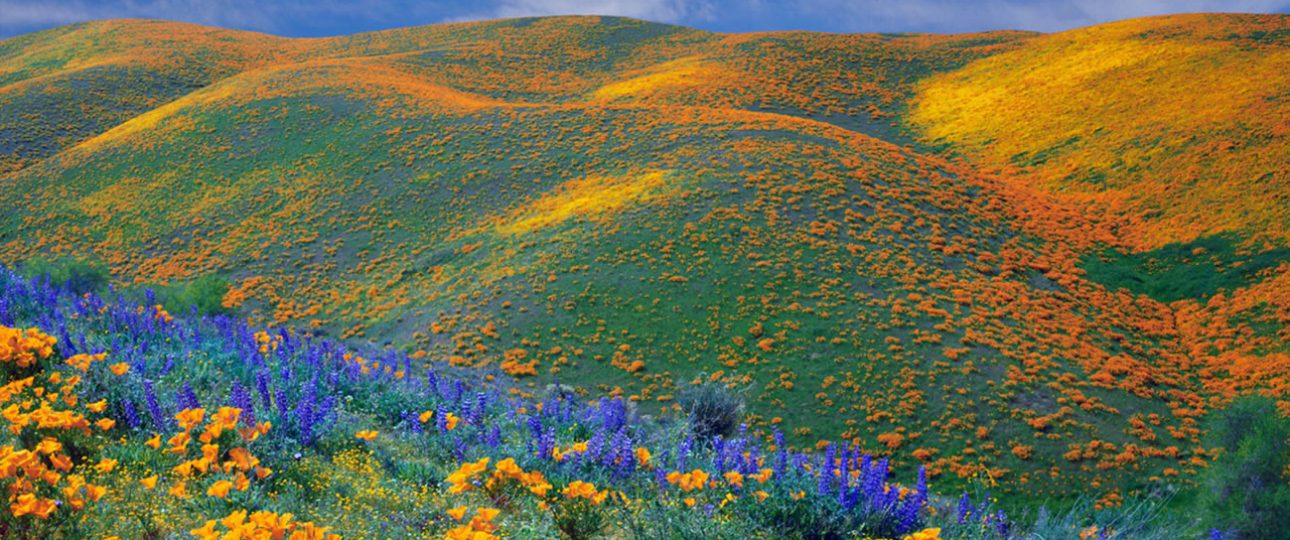
Kitulo National Park, often referred to as the “Serengeti of Flowers,” is a protected area located in the southern highlands of Tanzania. Established in 2005, it spans approximately 413 square kilometers across the regions of Mbeya and Njombe. The park sits at an elevation of around 2,600 meters between the Kipengere and Poroto mountain ranges, offering a unique montane grassland and forest ecosystem.
Renowned for its exceptional floral diversity, Kitulo is home to over 350 species of vascular plants, including more than 45 varieties of terrestrial orchids. During the rainy season, from late November to April, the park transforms into a vibrant tapestry of wildflowers, showcasing lilies, irises, and giant lobelias. This botanical spectacle has earned it the local nickname “Bustani ya Mungu,” meaning “The Garden of God.”
While Kitulo’s primary allure lies in its flora, it also supports a variety of fauna. Notably, the park is home to the endangered Kipunji monkey (Rungwecebus kipunji), first discovered in 2005. Other inhabitants include mountain reedbuck, eland, and a rich array of bird species such as the Denham’s bustard and the rare blue swallow.
Visitors to Kitulo National Park can engage in activities like hiking, bird watching, and botanical excursions. The Nhumbe and Mwakipembo waterfalls provide scenic spots for picnics and photography. Access to the park is typically via the town of Chimala, followed by a challenging ascent through the Kipengere Range, making the journey an adventure in itself.
As one of the few national parks in Africa established primarily for its floral significance, Kitulo offers a unique experience for nature enthusiasts, botanists, and those seeking tranquility amidst Tanzania’s lesser-known natural wonders
